
Installing the right engine in your vehicle is not just important – it is essential. Even a small mismatch can lead to serious performance problems, unexpected repair costs, and long-term reliability issues. At CarPartEngine, our Engine Compatibility Checker is designed to help you confirm that the engine you plan to purchase will properly fit and function in your vehicle.
Whether you are replacing a damaged motor or upgrading to a similar specification engine, verifying compatibility before purchase can save time, money, and frustration.
What Our Compatibility Checker Reviews
Our system carefully examines several technical factors to ensure accurate engine fitment. Here’s what is evaluated:
Engine Code Matching
Every engine comes with a unique code assigned by the manufacturer. This code identifies specific details such as design, configuration, and internal components. Matching the engine code ensures that the replacement engine is built to the same specifications as the original unit installed in your vehicle.
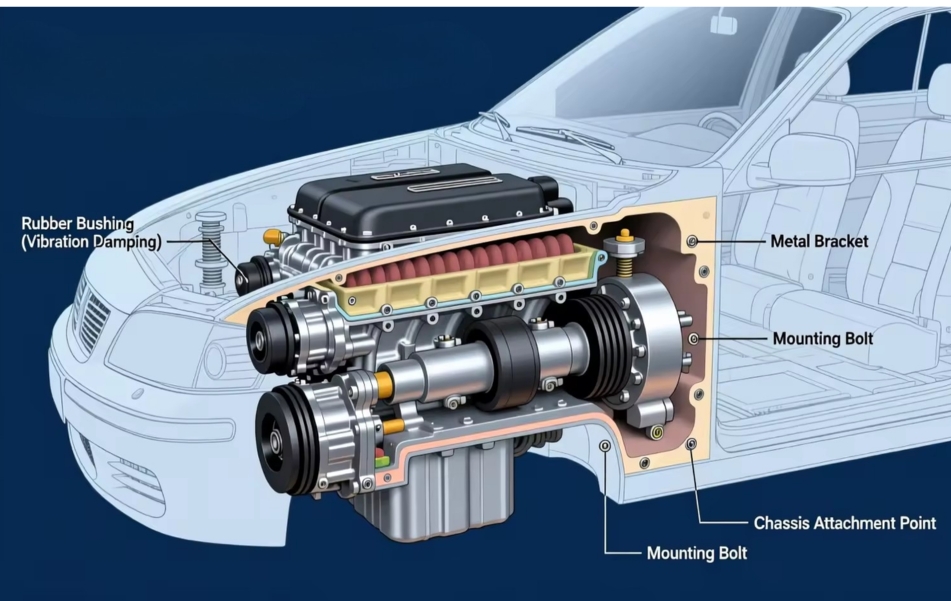
Mounting Points & Fitment
Engines are secured using specific mounting brackets and bolt patterns. Even if two engines appear similar, differences in mounting locations can prevent proper installation. Our tool verifies that the replacement engine aligns correctly with your vehicle’s engine bay.
ECU Compatibility
Modern vehicles rely heavily on the Engine Control Unit (ECU). The ECU communicates with the engine to manage fuel delivery, ignition timing, emissions, and performance. If the engine and ECU are not compatible, the vehicle may not start or could experience ongoing mechanical issues. Our checker confirms that the engine works with your existing ECU system.
Sensor Connections
Today’s engines use multiple sensors for monitoring airflow, oxygen levels, crankshaft position, and more. A mismatch in sensor connections can trigger warning lights or cause operational problems. We help ensure that the replacement engine supports your vehicle’s sensor configuration.
Emission Standard Compliance
Different states and production years follow specific emission regulations. Installing an engine that does not meet the required emission standards may result in inspection failure or legal complications. Our compatibility verification considers emission requirements for proper compliance.
How the Engine Compatibility Checker Works
Using our tool is simple and straightforward. To begin the process, you will need to enter basic vehicle details, including:
- Vehicle Make
- Model
- Year
- Engine Size
- VIN (optional but recommended)
Once this information is submitted, our system cross-references manufacturer data and engine specifications to confirm whether the selected engine is a correct match for your vehicle.
Providing accurate details improves verification accuracy. The more precise the information, the better the results.
Why Engine Compatibility Is So Important
Many vehicle owners assume that engines from the same model will automatically fit. Unfortunately, that is not always the case. Even within the same production year, manufacturers may offer multiple engine variants.
Installing an incompatible engine can lead to several issues:
Check Engine Light Problems
A mismatch between the engine and vehicle systems often triggers the check engine light. This can result in diagnostic confusion and additional service expenses.
ECU Programming Conflicts
If the engine does not properly communicate with the vehicle’s ECU, you may experience starting failures, idling problems, or reduced performance.
Reduced Fuel Efficiency
An incorrect engine setup can affect combustion timing and fuel management, leading to poor mileage and increased fuel costs.
Transmission Compatibility Issues
Engines and transmissions are designed to work together. Differences in torque output or bolt patterns may create shifting problems or require costly modifications.
Warranty Concerns
Installing the wrong engine may void warranties or prevent coverage approval. Ensuring compatibility protects your investment and avoids claim rejection.
Best Practices Before Purchasing an Engine
To ensure a smooth engine replacement process, follow these recommended steps:
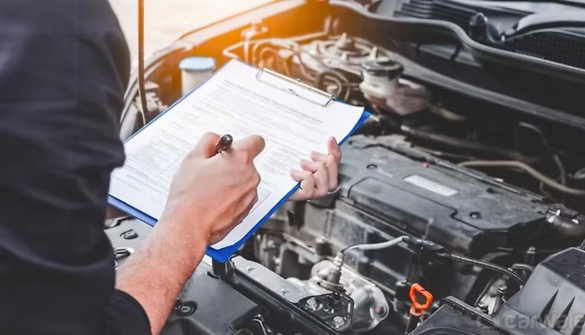
- Always Provide the VIN: Your Vehicle Identification Number (VIN) contains critical manufacturing details. While optional in the checker, including your VIN significantly improves accuracy.
- Confirm the Engine Code: Before placing an order, verify the engine code on your current engine. This code is typically stamped on the engine block or listed in vehicle documentation.
- Verify Transmission Type: Manual and automatic transmissions may require different engine configurations. Confirming the transmission type prevents fitment issues.
- Check Drivetrain Configuration: Two-wheel drive (2WD) and four-wheel drive (4WD) vehicles can have mechanical differences that affect engine compatibility. Make sure this information is accurate during verification.
Avoid Costly Mistakes with Proper Verification
Replacing an engine is a major investment. Skipping compatibility verification may lead to installation delays, additional labor charges, or the need to return parts. Taking a few extra minutes to confirm proper fitment can prevent unnecessary expenses and stress.
Our Engine Compatibility Checker provides peace of mind by helping you make an informed decision before purchase. Whether you are a vehicle owner, mechanic, or auto repair shop, ensuring correct engine selection is the first step toward a successful installation.
At CarPartEngine, we are committed to helping you find the right engine with confidence. Use our Engine Compatibility Checker today and move forward with certainty knowing your replacement engine is the right fit for your vehicle.